GAC vs PAC: Which Activated Carbon Is Right for Your Process?
Granular activated carbon (GAC) and powdered activated carbon (PAC) are made from the same raw materials — coal, coconut shell or wood — and activated in much the same way. The real difference is particle size, and that single difference changes how the carbon is used, how fast it works and what it costs to run. This guide explains when each form makes sense.
What is the difference?
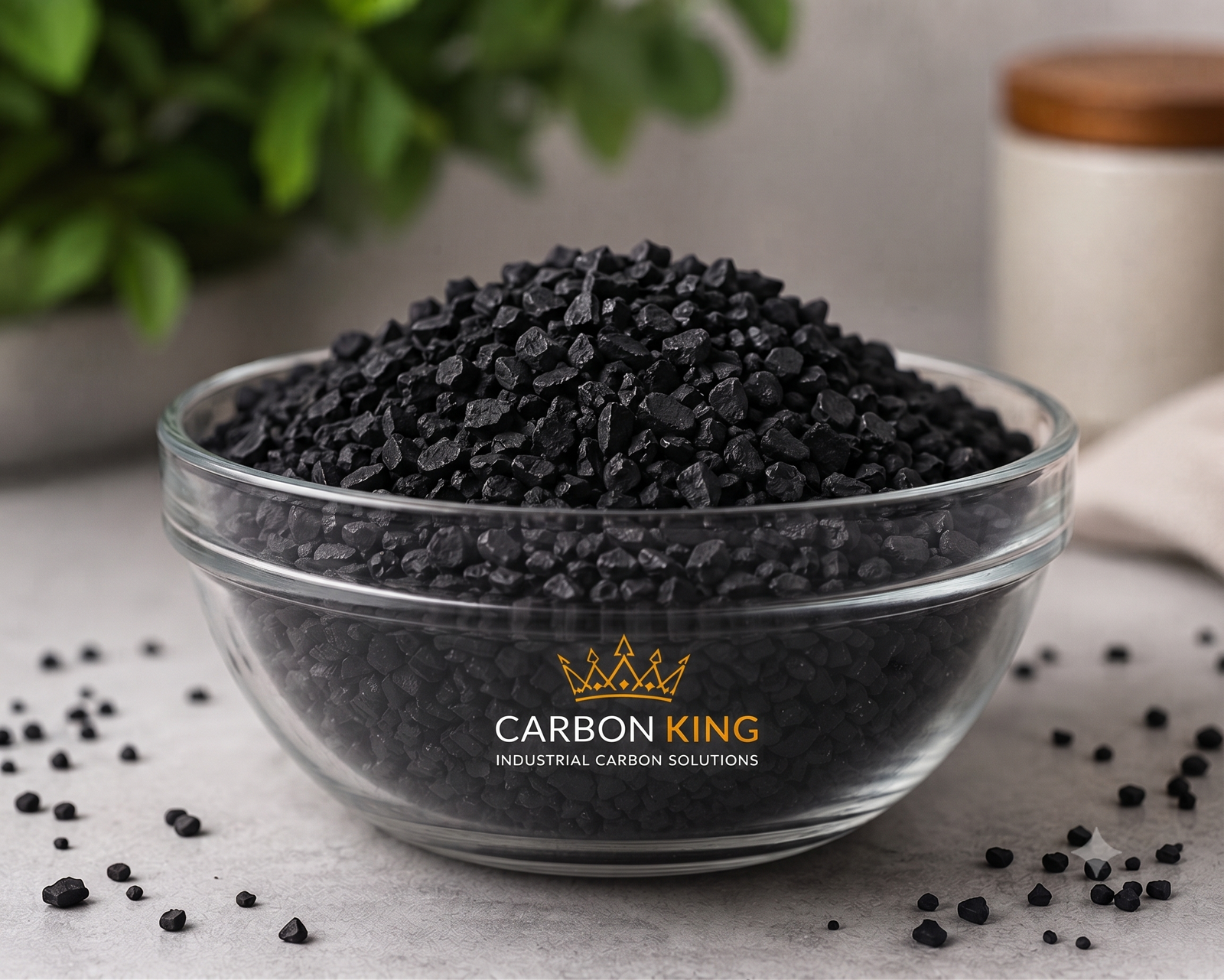
- GAC is supplied as granules, typically between about 0.4 and 2.4 mm (common mesh sizes are 8×30 and 12×40). It is packed into a vessel or filter bed and the water or liquid flows through it.
- PAC is a fine powder, usually finer than 0.18 mm (80 mesh), with most particles far smaller. It is dosed directly into the liquid, mixed, and later removed by settling or filtration.
When GAC is the better choice
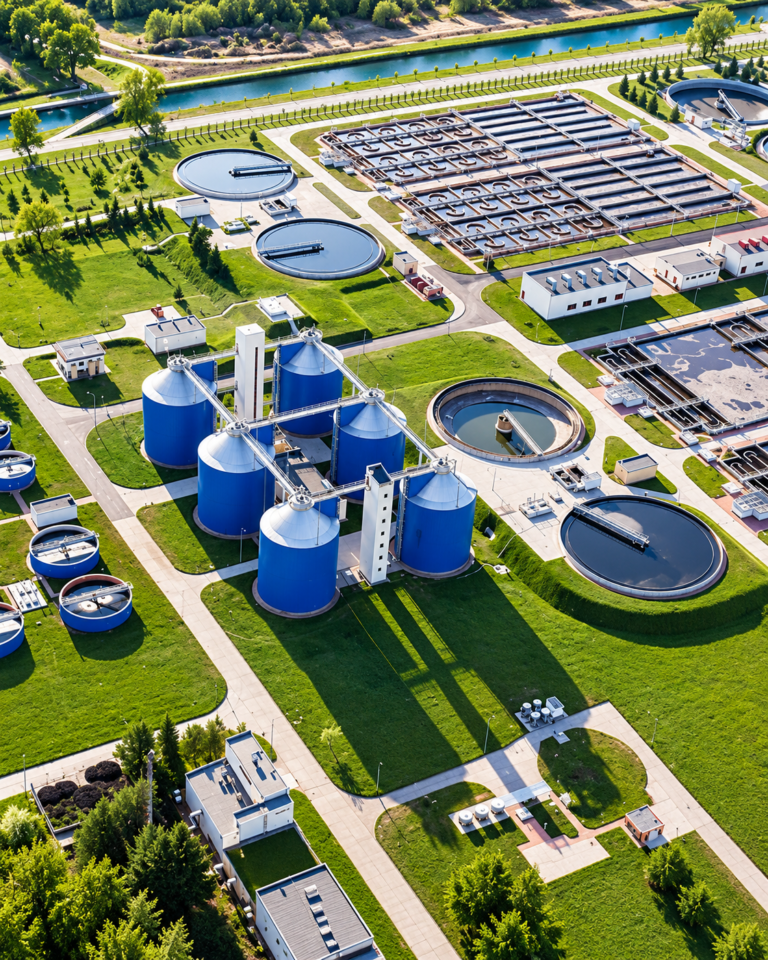
GAC works best where contaminants are present all the time and the system runs continuously. Typical examples are drinking-water polishing, dechlorination, groundwater remediation, gold recovery (CIP/CIL circuits) and many industrial process-water streams.
- A fixed bed gives long, controlled contact time and very consistent treated-water quality.
- Spent GAC can often be thermally reactivated and reused, which lowers long-term cost for large users.
- There is no powder to handle and nothing to remove from the treated stream afterwards.
When PAC is the better choice
PAC is ideal when contamination is seasonal, occasional or batch-based, or when you need results quickly without new equipment. Water utilities use it during algal blooms to control taste and odour; sugar, edible-oil, beverage and pharmaceutical producers use it for decolourisation and purification of individual batches.
- Very fine particles adsorb fast, so short contact times are enough.
- The dose can be raised or lowered day by day to match the problem.
- Capital cost is low — usually just a dosing system — but PAC is used once and must be separated from the product.
Quick decision checklist
- Continuous contamination, continuous flow → GAC in a filter bed.
- Short-term spikes or seasonal events → PAC dosing.
- Batch processing with a filtration step already in place → PAC.
- Air or gas streams → neither powder nor fine granules; pelletised (extruded) activated carbon gives low pressure drop in deep beds.
- Large volumes where reactivation is possible → GAC usually has the lower lifetime cost.
Grade matters as much as form
Choosing between GAC and PAC is only the first step. The raw material, iodine number, pore structure, hardness and ash content decide how well the carbon removes your specific contaminants. Coconut-shell carbons are rich in fine micropores and very hard; coal-based carbons have a broader pore range; wood-based carbons are strong decolourisers.
Not sure which one fits your process? Share your application with our team through the Contact page, or browse our product range and technical data sheets.